Fear Not the Demise of the iPad Wine List
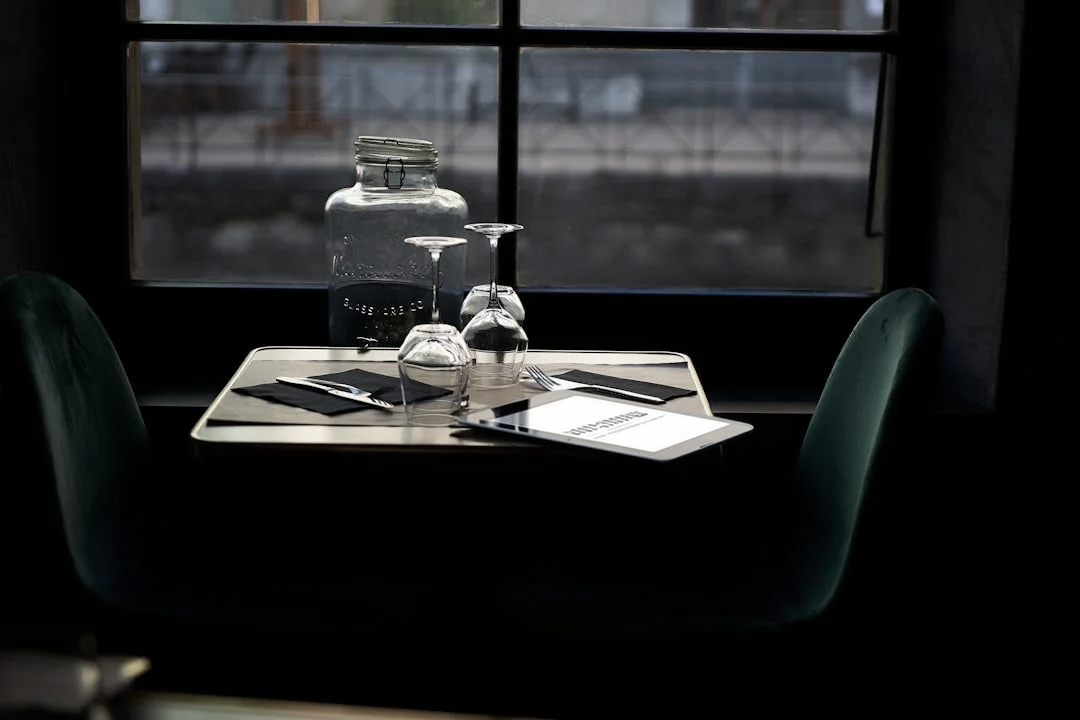
As the iPad became popular during the early 2010s, so did the iPad wine list. It has had a good run as technology goes. The iPad wine list was considered innovative restaurant technology when it debuted a decade ago. It replaced printed wine lists, allowed for visuals and descriptions, and created a more modern guest experience.
However, inevitably, as any technology gets old, it becomes harder to maintain and support, more expensive to enhance, and slower to keep up with competition and changing times. Restaurant technology has advanced significantly over the past ten years and, as a result, new opportunities exist to enhance the customer and service experience, improve staff efficiencies, and increase sales and profitability.

The Evolution of the Digital Wine List
Fear not, a next generation iPad wine list successor is at hand. The restaurant iPad wine list of the past has paved the way for a new digital wine and beverage experience and management capability for restaurants. This is a digital experience that:
Is not constrained to any device: iPad, tablet, smartphone, or website
Is never out of date and automatically updated in seconds
Is not limited to templates, but instead offers customized experiences
Is interactive based on personal preferences and situational understanding
Constantly updates guest profiles and is context-aware
Dynamically presents promotions and features that are time-flexible and appropriate
Remembers your guests and enables personalized marketing
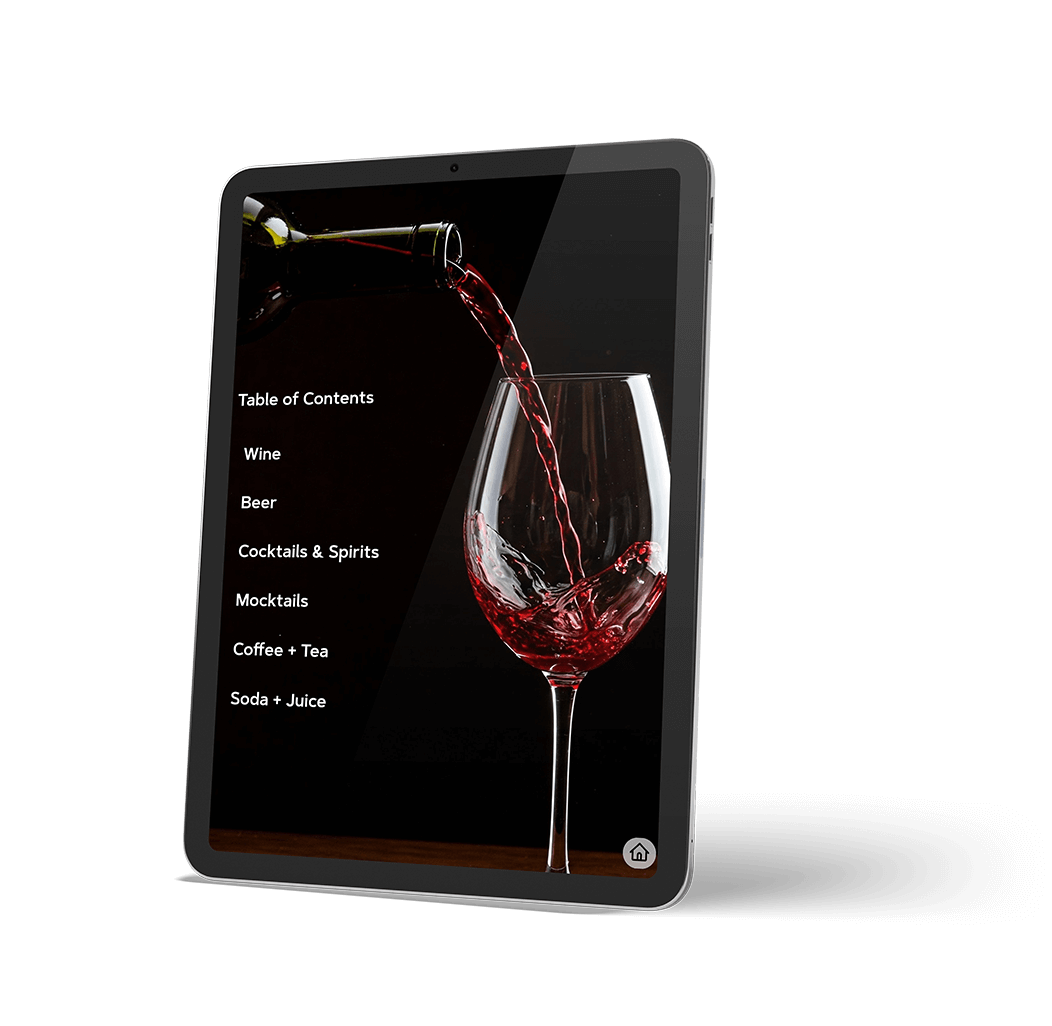
The next generation of the iPad wine list is technology built in the 2020s and made for the 2020s and beyond. The next generation iPad wine list is a comprehensive cloud-based platform built like other modern restaurant technologies, including leading POS systems, host management, and inventory systems.
The Modern Wine and Beverage Platform
What was once an iPad wine app is now a Wine and Beverage Program Management and Sales Platform. It is first and foremost an enterprise-grade platform capable of managing multiple locations, outlets, and concepts across properties and group enterprise operations.
Your 2020s wine and beverage platform is API-based and built to integrate with the restaurant technology you have invested in — your POS, host management, and inventory systems. You are integrated within days, not weeks, based on out-of-the-box, pre-built software. It is also future-proof in case you decide to upgrade to new and better restaurant or property technology.

With current digital wine list technology, your customer and staff experiences are never out of date and are updated automatically. Any changes in your POS — for example, zero quantity, 86’d items, updated pricing, vintages, and new selections — are updated in your wine and beverage list in seconds. Your customers and staff are aware of low inventory items in real time. Orders can be placed online, digitally, right to your POS.
In comparison to the first generation iPad wine lists of the 2010s, the digital wine and beverage platforms of the 2020s use Progressive Web App technology, which updates all devices at once and can update multiple times in one day if needed. If you need something updated quickly — within a day or even hours — Progressive Web App platforms can do that. Plus, your web app can run on any device with a browser: iPad, Android tablet, smartphone, or PC. All you need is a link, which you can use anywhere — a QR code, your website, social media, and email campaigns, to name a few.

Vendor business models and pricing have changed as well. Legacy, first generation iPad wine apps, being mobile apps, are typically priced on a per-device basis, which made sense at the time. They are available only on iOS/iPad devices, require updates device by device, and are subject to App Store approval processes.
With Progressive Web App technology, you are free to run your web app on any number and type of device. You have the option to use reasonably priced tablets — however many you prefer — instead of a more expensive iPad device-based pricing model. You simply pay a monthly subscription fee with unlimited usage and unlimited devices.
Most importantly, the digital wine experience of the 2020s drives increased sales and profitability. These digital experiences are more personalized, interactive, customer-aware, staff-friendly, and efficient. The first generation iPad wine list helped digitize the menu and reduce printing costs. Modern digital wine and beverage platforms of the 2020s enable entirely new experiences that simply sell more wine and save your staff time.