The Wine Program Problem Nobody Talks About
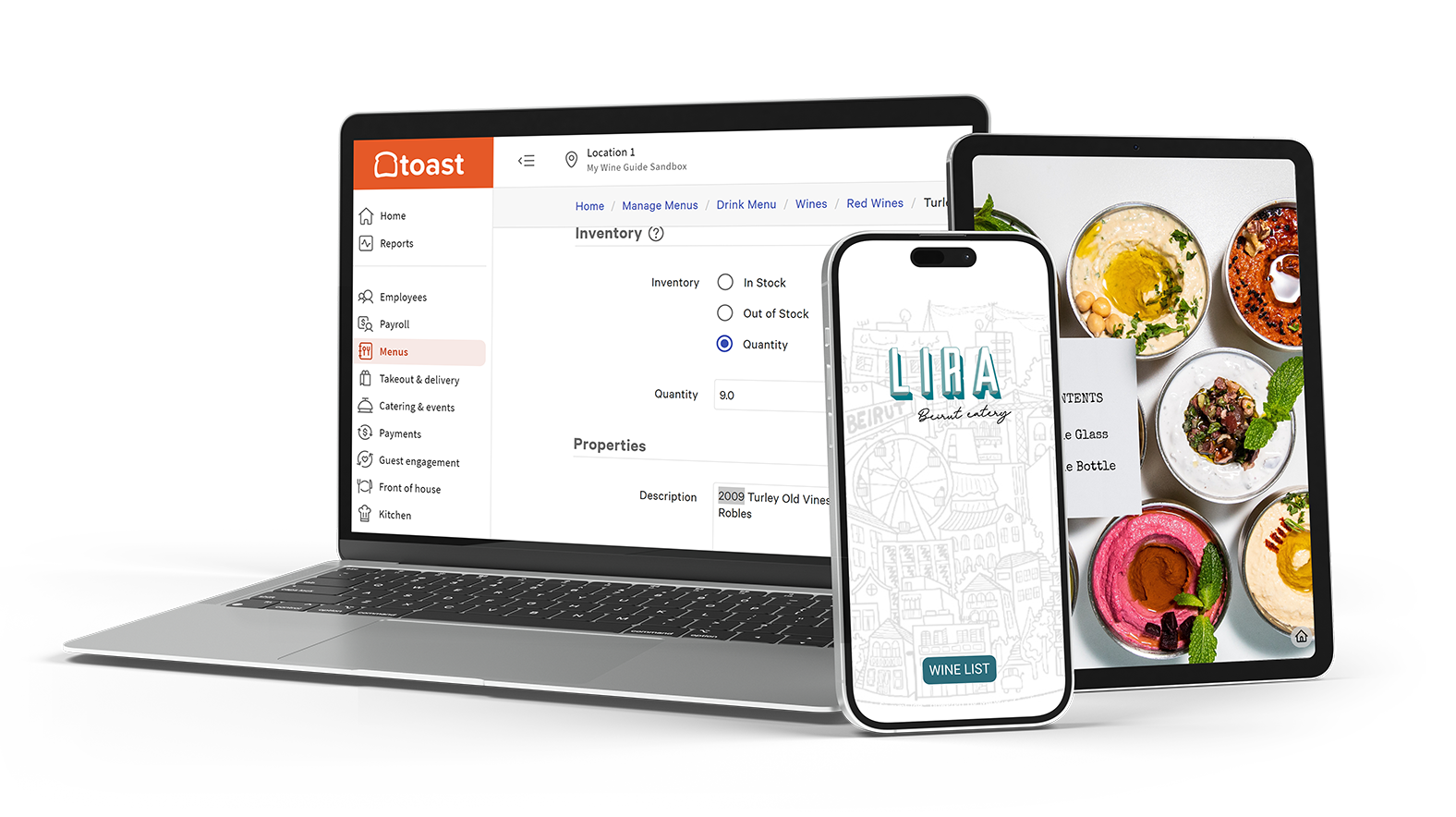
Ask most restaurant operators what's wrong with their wine program and they'll point to the wine list. Too long. Too confusing. Not updated often enough.
They're not wrong. But the list is usually a symptom, not the cause.
The real problem is what's happening behind it — or more accurately, what isn't happening. In most restaurants, the wine list, the inventory system, and the POS are three separate things that don't talk to each other. Someone updates a price in the POS and forgets to update the menu. A bottle gets 86'd but the list still shows it. Inventory gets counted at the end of the week from memory and a clipboard.
The result is a wine program that looks fine on the surface and quietly leaks money and guest experience every single night.
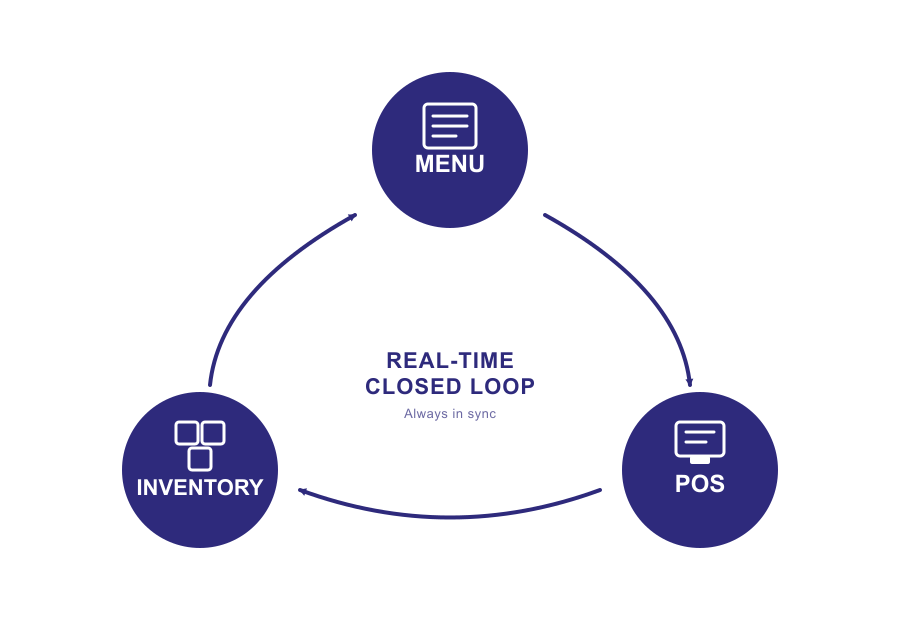
There's a better way to run it.
The operators who have figured this out aren't running bigger teams or spending more time on their wine programs. They're running closed loop systems — where menus, inventory, and POS are synchronized automatically, in real time, with no manual handoffs between them.
When a bottle gets 86'd or a quantity goes to zero at the POS, the menu updates. When a new vintage comes in, every menu surface reflects it within minutes. When a glass gets poured, inventory depletes. When stock hits a threshold, a purchase order drafts itself.
When inventory is taken and counts are updated, the quantities in the POS are updated automatically. The same update occurs for added stock or entirely new selections. The loop closes, and the program runs without reconciling data and entering the same data in multiple places.
The difference in day-to-day operations is significant. Servers stop apologizing for wines the cellar already ran out of. Managers stop spending Monday mornings reconciling what sold against what's left. Wine directors stop entering the same data into three different systems and start spending that time on the floor.
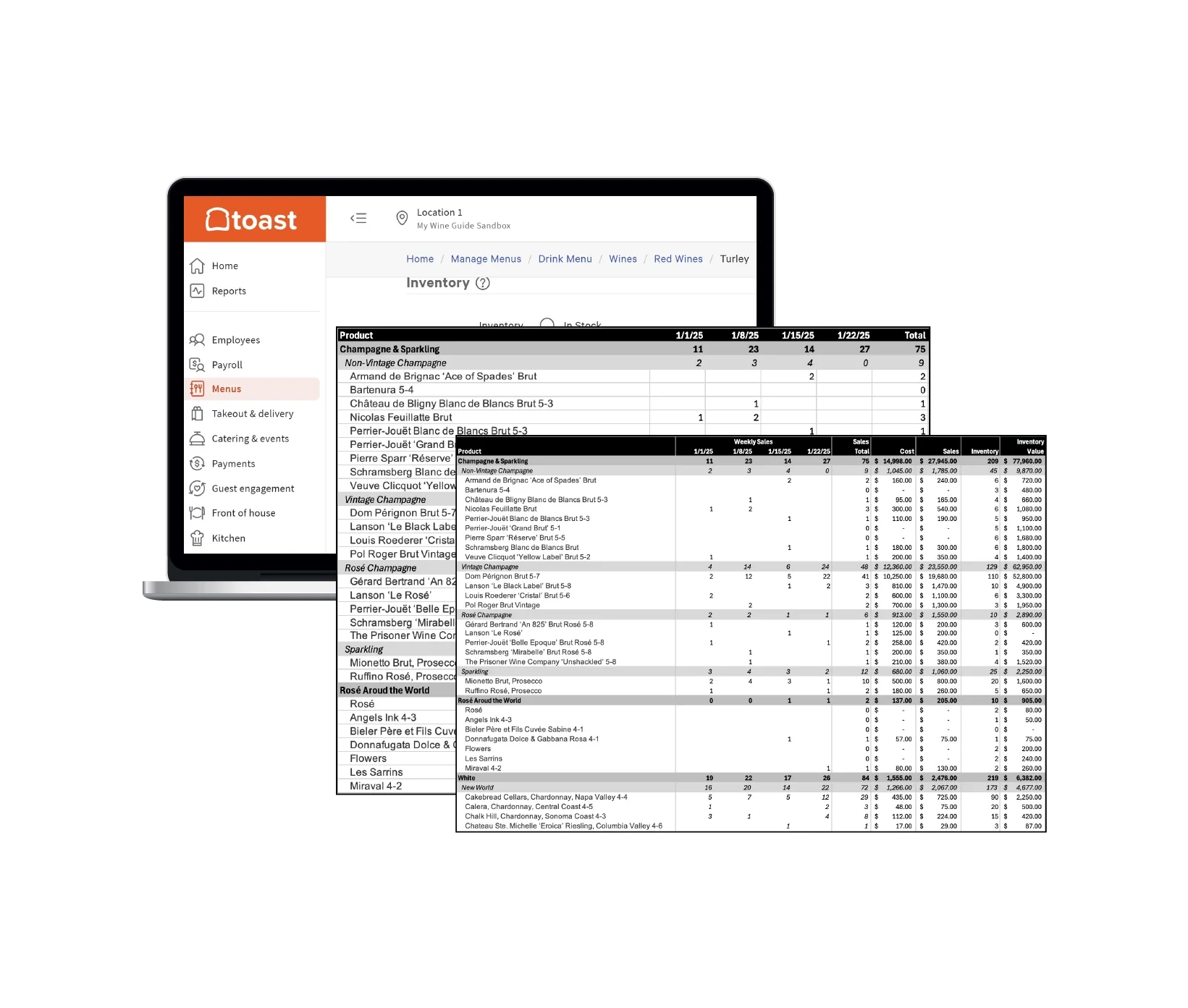
What does this look like in practice?
Picture a busy Friday night. A guest at table 12 orders the Sancerre by the glass. The server enters it at the POS. Behind the scenes, the system calculates the fractional bottle depletion — 0.2 of a bottle — and updates inventory in real time. When the last pour hits, the Sancerre disappears from the digital wine list automatically. No phone call to the host stand. No awkward table-side conversation. The next guest simply never sees it.
That's one glass pour. Multiply it across every bottle, every BTG selection, every table, every night — and you start to understand the operational difference between a closed loop wine program and everything else.
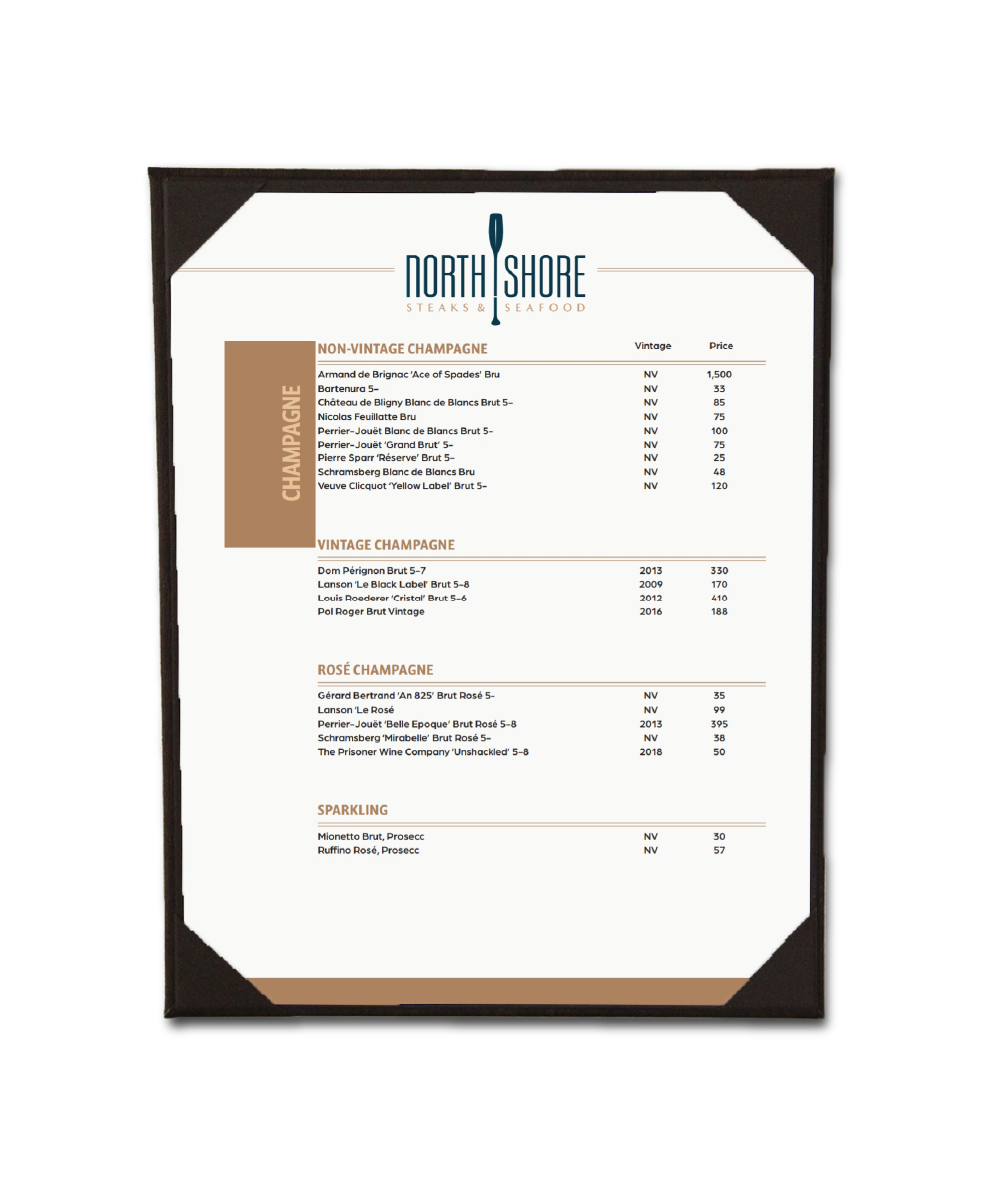
It applies to print menus too.
A common misconception is that real-time menu management only matters for digital wine lists. It doesn't. Whether your menus live on an iPad, an eReader, a guest's smartphone, or come off the printer, the same synchronized data can power them all. Your print menus are generated from the same live source as your digital menus — so what the guest holds in their hands matches what's actually in the cellar.
The full picture is in our new white paper.
We've worked with independent restaurants, multi-venue groups, and global hospitality enterprises across four continents. What the best wine programs have in common isn't the size of the list or the prestige of the labels. It's the discipline of the system behind it.
We wrote Real-Time Closed Loop Wine Program Management: A Best Practices Guide to document that standard — the POS setup, the menu integration, the inventory management, and the reporting that ties it all together. It's the most complete operational guide we've published, and it's free.
If you're serious about running a more efficient and profitable wine program, it's worth an hour of your time.
SommOne® by My Wine Guide is the platform built to make closed loop wine program management a reality — connecting your menus, inventory, and POS in real time. Learn more at MyWineGuide.com.